Discover Sigiriya: The Lion Rock Fortress of Sri Lanka
Sigiriya, also known as the Lion Rock, is one of Sri Lanka’s most iconic landmarks and a UNESCO World Heritage Site. Rising dramatically 200 meters above the surrounding plains, Sigiriya is a breathtaking blend of ancient engineering, natural beauty, and artistic brilliance. Built in the 5th century by King Kashyapa, this fortress-city is a must-visit destination for history enthusiasts, adventure seekers, and nature lovers alike.
Whether you’re intrigued by its archaeological significance, awed by its stunning vistas, or enchanted by its legends, Sigiriya offers a memorable journey into Sri Lanka’s past.
Why Visit Sigiriya?
- Historical Significance: Sigiriya is one of the best-preserved examples of ancient urban planning in Asia, showcasing the ingenuity of Sri Lankan civilization.
- Spectacular Views: Climbing to the summit rewards visitors with panoramic views of lush forests, lakes, and distant mountain ranges.
- Artistic Marvels: The site is renowned for its ancient frescoes and the Mirror Wall, both of which reflect exceptional artistic craftsmanship.
Key Attractions at Sigiriya
1. Sigiriya Rock Fortress
The main attraction, this colossal rock formation served as a royal palace and fortress. The climb to the top involves navigating stone steps, spiral staircases, and rock-cut pathways.
- Highlight: The summit features the ruins of King Kashyapa’s palace, offering expansive views of the surrounding landscape.
- Tip: Start your climb early in the morning to avoid the heat and crowds.
2. The Lion’s Gate
Halfway up the rock, you’ll encounter two massive lion paws carved into the stone. This entrance, once featuring a complete lion statue, inspired the name “Lion Rock.”
- Highlight: The monumental lion paws are an awe-inspiring testament to the grandeur of ancient Sri Lankan art.
- Tip: Take time to appreciate the details and imagine the grand lion structure that once stood here.
3. The Frescoes
Sigiriya is famous for its frescoes depicting celestial maidens known as the “Sigiriya Damsels.” Painted in vibrant colors, these frescoes are among the few surviving examples of ancient Sri Lankan art.
- Highlight: The frescoes are located in a sheltered pocket of the rock, preserving their vividness for over 1,500 years.
- Tip: Photography is prohibited to protect the paintings, so take mental snapshots of their beauty.
4. The Mirror Wall
Originally polished to reflect like a mirror, the Mirror Wall contains inscriptions and poetry written by ancient visitors, some dating back to the 8th century.
- Highlight: These inscriptions reveal the thoughts and impressions of early travelers, offering a unique glimpse into the past.
- Tip: Read the translations of the inscriptions to understand their historical significance.
5. The Water Gardens
At the base of Sigiriya, you’ll find a series of meticulously designed Water Gardens with pools, fountains, and canals. These gardens showcase advanced hydraulic engineering and were used for both leisure and irrigation.
- Highlight: The symmetrical layout and functioning water fountains, especially after rainfall.
- Tip: Visit during the monsoon season to see the fountains in action.
Nearby Attractions
1. Pidurangala Rock
For those seeking a less crowded alternative to Sigiriya, Pidurangala Rock offers a challenging climb and equally stunning views. The top provides a unique vantage point to view Sigiriya Rock.
2. Minneriya National Park (30 km from Sigiriya)
Minneriya is famous for its Gathering of Elephants, where large herds congregate around the Minneriya Tank. A safari here offers a chance to see elephants, leopards, and various bird species.
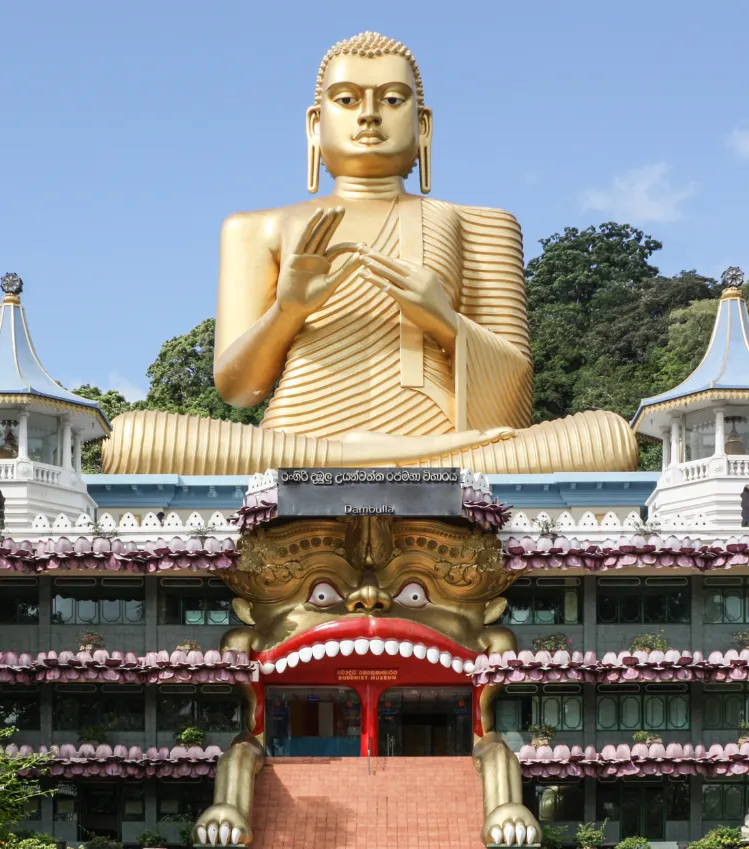
3. Dambulla Cave Temple (20 km from Sigiriya)
The Dambulla Cave Temple is a UNESCO World Heritage Site featuring a series of caves adorned with over 150 Buddha statues and intricate murals depicting Buddhist history.
Best Time to Visit Sigiriya
The ideal time to visit Sigiriya is during the dry season from December to April. The weather is more favorable for climbing and sightseeing, with clear skies offering stunning views. Early mornings and late afternoons are the best times to explore, as temperatures are cooler and lighting conditions enhance the beauty of the rock.
Travel Tips for Visiting Sigiriya
- Arrive Early: Beat the heat and crowds by arriving as soon as the gates open.
- Wear Comfortable Shoes: The climb involves steep steps and rocky terrain, so sturdy footwear is essential.
- Stay Hydrated: Bring plenty of water, especially during the climb.
- Dress Respectfully: Modest clothing is recommended when visiting nearby religious sites.
- Hire a Guide: A knowledgeable guide can provide fascinating insights into Sigiriya’s history and architecture.